


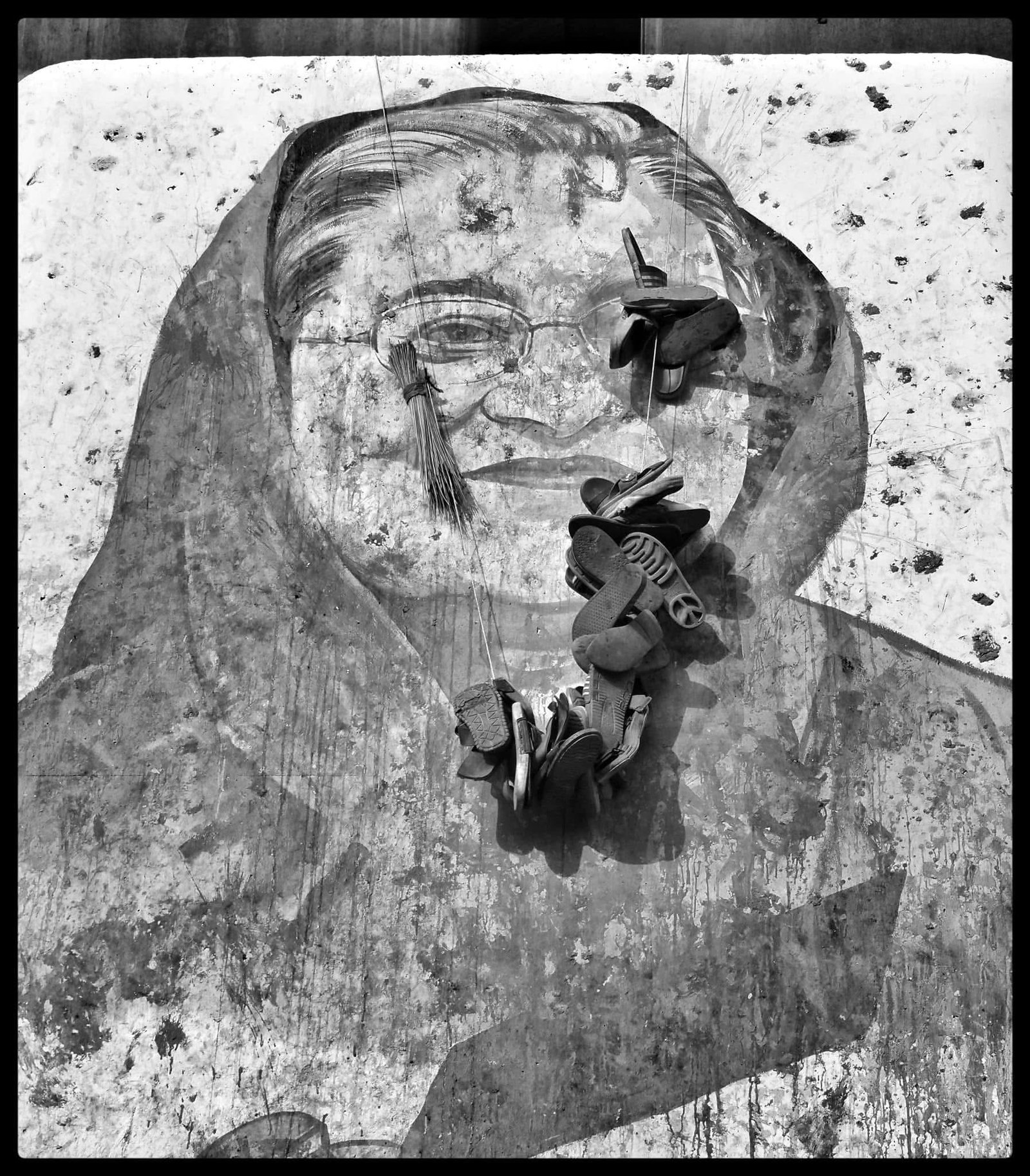
Sheikh Hasina’s continued presence in India remains a particularly sensitive issue.
Hosted by India’s external intelligence agency, the Research and Analysis Wing (R&AW), the conference brought together representatives from 13 countries to discuss cybersecurity, shell companies, counterfeit currency, border management, extradition, human trafficking and other security challenges. Intelligence-sharing, particularly in the maritime domain, was also on the agenda.
Sources said Farid’s visit was confined to the multilateral forum, with no bilateral engagement planned between Bangladesh and India or with any individual country. Sensitive bilateral issues, including the presence in India of former Bangladesh Prime Minister Sheikh Hasina and disputes over border fencing, were not discussed. Cross-border criminal activity and narcotics syndicates, however, featured in the broader security discussions.
A Sensitive, Porous Border
Dhaka has accused the BSF of killing around 70 people and alleged cases of abduction and the forcible pushing of alleged intruders across the international border, particularly in areas without fencing.
In 2024, a Bangladesh BGB personnel was reportedly shot dead by Indian BSF personnel after becoming separated from his team while pursuing smugglers, according to claims surrounding the incident.
In another incident, on September 24, 2024, the BGB detained a BSF personnel who had reportedly crossed into Bangladesh near border pillar 334/sub-pillar 6 in West Bengal’s Dinajpur sector. The BGB said the personnel was in uniform but unarmed. He was subsequently handed back to Indian authorities at a flag meeting.
Under the applicable border arrangements, fencing is generally required to remain 150 metres inside the international boundary. Work on fencing has been progressing, but resistance from villages on both sides has complicated the process, as families own land and cultivate fields across areas close to the border.
The India-Bangladesh border stretches 4,096 km, of which approximately 857 km remains unfenced because of difficult terrain, rivers, marshlands and pending land transfers. West Bengal accounts for 2,217 km of the border, with an estimated 570–600 km still unfenced, including stretches in Murshidabad, North 24 Parganas, Cooch Behar, Malda and Nadia.
Hasina Remains a Point of Contention
Hasina’s continued presence in India remains a particularly sensitive issue. On August 5, 2026, she addressed a virtual press conference hosted by the Foreign Correspondents’ Club of South Asia in New Delhi, marking her first public media appearance two years after her ouster.
She accused Bangladesh’s interim authorities and the leadership associated with Tarique Rahman of dismantling democratic institutions, suppressing political opponents and presiding over economic regression.
India’s Ministry of External Affairs distanced the government from the event, saying it had been organised by an independent media body and that New Delhi neither participated in nor endorsed her remarks.
The Bangladesh government expressed strong outrage, lodging an official protest and describing the interaction as an affront to its sovereignty and a threat to bilateral relations. Dhaka also reiterated its position in the context of the 2013 India-Bangladesh extradition treaty.
Sources say Indian intelligence agencies have sought to prevent such engagements from further straining relations with Dhaka, while keeping channels of communication open. Hasina has nevertheless continued to give interviews to media organisations, invoking India’s constitutional guarantee of freedom of expression. She has said she wishes to return to Dhaka and face trial by the end of the year. No subsequent agreement or formal understanding on her return has been publicly reported by either government.
Intelligence Contacts Continue
Against this backdrop, R&AW Secretary Parag Jain visited Dhaka on August 9, travelling on a commercial flight and arriving at the city’s international airport rather than a military airbase. His arrival was widely reported. He was visiting at the invitation of the Director General of Bangladesh’s Directorate General of Forces Intelligence (DGFI), leading a four-member delegation.
Security experts speculated that the delegation might have explored arrangements for Hasina’s return before the end of the year, although no concrete details have emerged.
The latest counter-terrorism conference, involving R&AW and the Cabinet Secretariat, appears to have followed a different approach: keeping contentious bilateral matters off the table while prioritising wider regional security concerns.
As Farid prepares to return to Dhaka, the larger question is whether India and Bangladesh can translate intelligence-sharing into actionable cooperation. The two countries share a 4,096-km land border, in addition to interconnected waterways, making sustained coordination essential to tackling cross-border crime.
