





Shabir Hussain
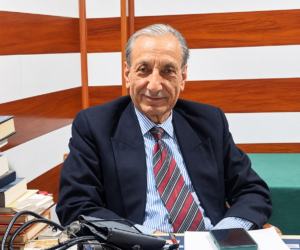
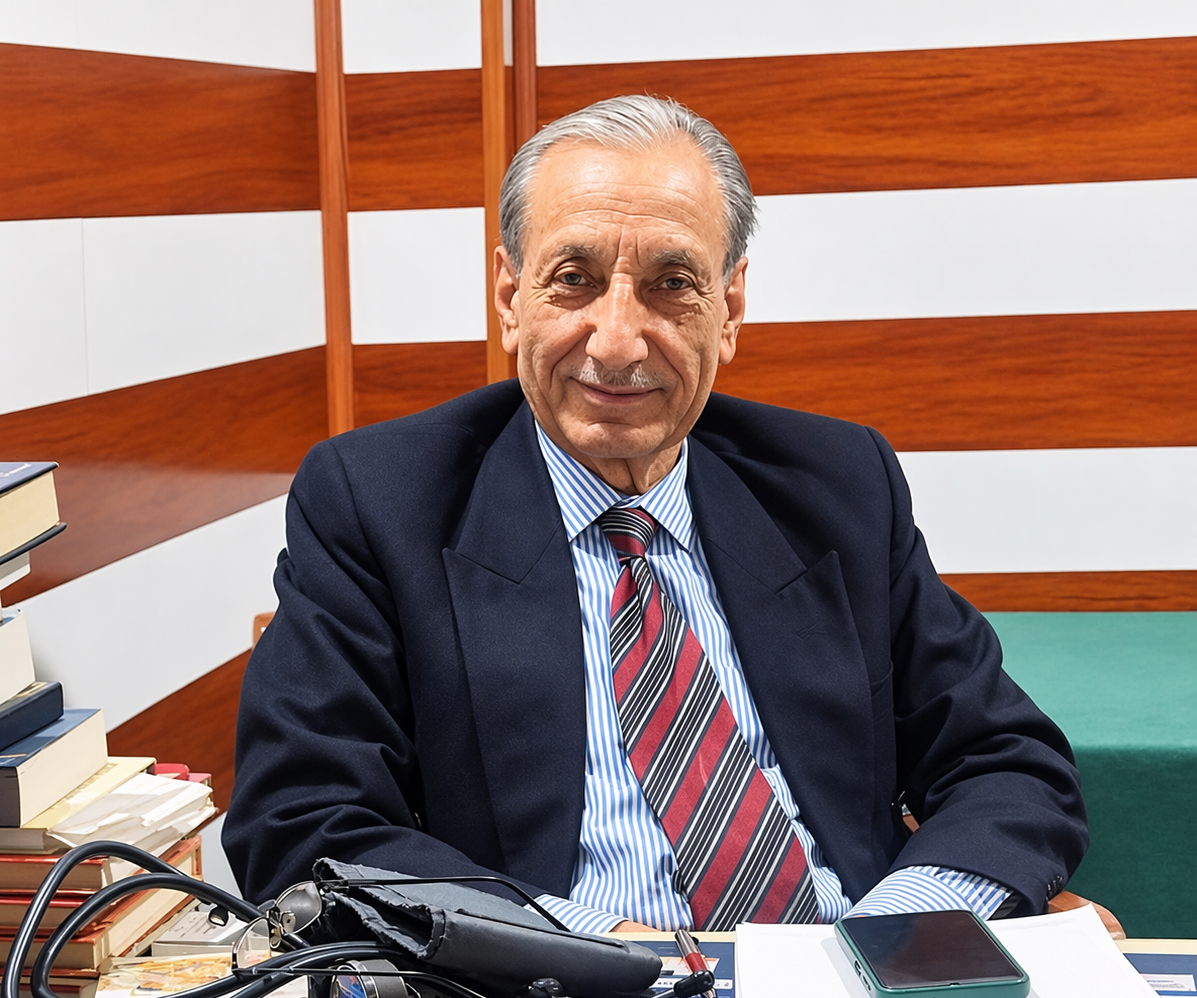
There are people who, when they die, leave behind memories and stories that you feel compelled to share. Whose passing tells you that the world should know more about them and draw inspiration from their lives. Dr. Mir Nissar Hussain was one such soul.
As I got the message of his death on Friday from a friend, I was deeply saddened. A flood of memories gushed forth, reminding me of the times I have spent with him.
As a physician, Dr. Nissar was brilliant, enjoying the widespread goodwill of thousands of patients he had earned over decades of commitment to them.
He was an amazing, compassionate human being and a highly competent doctor. Patient-friendly in every sense—whether it was prescribing medicines or tests, spending a lot of time with a single patient to make them feel better, or trying to get to the root of an ailment, his patients were his priority. And all this is something I know firsthand.
I was barely out of my teens when I got a job with a prestigious pharmaceutical company. Dr. Nissar was among the first doctors I came in contact with as part of my marketing job. He saw me young and full of energy and was happy. He encouraged me, but also advised that I shouldn’t give up studies, explaining how studies and work could go hand in hand.
He was also happy that I was part of a reputable company at a time when substandard medicines and unethical practices by pharmaceutical companies were commonplace. He encouraged me to work hard and promised to write a few of our products that he already knew about, but there was a caveat: the medicines had to be readily and widely available. If any of his patients came back saying that the medicine wasn’t available, he would stop writing those products.
While I knew him before I joined pharma—as a respectable gentleman and doctor in our neighbourhood—I later got to know him better, and two of his remarkable traits stood out for me. One was that he would never compromise on the quality of the product he prescribed; the other was that he was never swayed by greed.
Having left the pharma industry long ago, I don’t know what the scenario is today. But back in the day, bribing doctors to prescribe your product was very common. I knew a number of prominent doctors—some of them very big names—who demanded money or other favours in return for prescribing medicines. These were doctors who would earn pharma companies millions at the expense of the patients—prescribing medicine the patients didn’t necessarily need.
To say that Dr. Nissar was among those rare doctors who resisted the temptation would be an understatement. He made no bones about how disgusted he felt about it. His patients were always at the top of his priority list.
Whenever our company came up with a new product, he would take the samples, give them to his patients and take his time before deciding whether to prescribe them. He wanted to ensure the product he prescribed was efficacious.
He was also a voracious reader, because he believed medical science was constantly evolving and no doctor could afford to be left behind. That is why he was always updated—a trait he shared with the legendary Dr. Ali Jan. That, though, wasn’t the only attribute he shared with the late Ali Jan. Like Dr Jan, he had dast-e-shifa, a healing touch that cured people.
This combination of a deeply humane person and a competent doctor made him very special to me, and to his patients as well. He was a great listener who would never hurry through a consultation. He listened to his patients with that signature smile spread across his face, explained and advised, and then made sure his point had been understood.
In 2021, when I returned to Kashmir after three years, everyone at home asked me to go and see him, for he would always enquire about my well-being. When I visited him the next day, he welcomed me with his usual warmth and smile.
A few minutes into our conversation, he paused and gave me one long look. He then took a piece of paper and asked me to get my HbA1c and one more related test done first thing the next morning. It was followed by a few questions and a disapproval of my negligence towards my health.
I got the tests done the next morning, and it was a disaster. I was diabetic, and the numbers were alarmingly high. Just one long look at me, and he knew there was a serious health issue at hand. That was Dr. Nissar—the kind of medico whose clinical eye could often go where even the most elaborate examination might not. Just one look—that’s how brilliant he was. When I met him a year later, I had physically transformed myself, having conquered diabetes through medicine, discipline and regulation. He was so happy that I could read it all over his face as he kept patting my shoulder.
Though we can’t challenge life’s unpredictabilities, I believe Dr. Nissar deserved to live many more years. Nevertheless, while he will be sorely missed, he’ll also be fondly remembered for his compassion and clinical instinct. And, yes, for that ever-radiant smile of his.


